
Regenerative Agriculture: Moving the Conversation Forward at Groundswell
As the farming industry prepares for Groundswell, conversations around regenerative agriculture continue to gather momentum. But beyond the headlines and buzzwords, what does regenerative farming actually look like in practice and how can it create a more resilient future for British agriculture?
At Buitelaar Group, these are conversations happening every day across farms, supply chains and partnerships throughout the business.
Ahead of this year’s Groundswell event, we spoke to our Group Sustainability Lead, James Watson about the realities of regenerative agriculture, the role livestock can play in sustainable food systems, and why honest collaboration across the industry matters now more than ever.
A Practical Approach to Sustainability
“Sustainability at Buitelaar isn’t treated as a bolt-on or a marketing concept,” explains James. “It’s embedded into how the business operates day to day.”
As a vertically integrated business working closely with farmers, suppliers and customers, Buitelaar Group sees sustainability as a responsibility shared across the entire supply chain from soil health and animal welfare to carbon reduction, biodiversity and long-term farm resilience. That practical, evidence-led mindset is one reason Groundswell has become such an important event within the agricultural calendar.
“Personally, Groundswell represents optimism,” he says. “It’s a space where farmers, suppliers and businesses can have honest conversations about what’s working, what isn’t, and how we move forward together.” For Buitelaar, regenerative agriculture is not about theory. It’s about testing ideas in real-world farming systems, learning openly, and building solutions that work commercially as well as environmentally.
Why Regenerative Agriculture Matters Now
The pressures facing farming are intensifying from every direction.
Climate change, biodiversity decline, rising input costs and changing regulations are all reshaping the future of food production. Against that backdrop, regenerative agriculture is increasingly being viewed as a practical pathway forward. But it is also a term that is often misunderstood. “In practice, regenerative agriculture is about improving the health and resilience of the whole farm system over time,” explains James. “At Buitelaar, that means focusing on soil health, biodiversity, water quality, animal welfare and farm profitability together, not in isolation.”
That includes approaches such as adaptive grazing, reducing reliance on manufactured inputs, prioritising home-grown feeds, improving nutrient cycling and measuring outcomes rather than intentions.
Unlike traditional sustainability models that often focus purely on reducing harm, regenerative systems aim to actively rebuild natural capital and improve the resilience of farming businesses over time.
“The goal isn’t simply to maintain the status quo,” he says. “It’s to leave soils healthier, ecosystems more biodiverse, and farms more resilient than before.”
Regenerative Agriculture Is Not One-Size-Fits-All
One of the biggest misconceptions around regenerative farming is that there is a single formula for success. “In reality, it’s highly context specific,” James explains. “There’s no one right way to do regen. What matters is continual improvement, using the best available data and adapting to local conditions.”
That practical realism is important. At Buitelaar Group, regenerative agriculture is viewed through the lens of long-term viability environmentally, operationally and financially.
“It can absolutely scale,” he says. “But the potential on each farm will vary. It’s about maximising the value within the context of the farm.” That balance between ambition and practicality is central to how Buitelaar approaches sustainability across its supply chain.
The Role of Livestock in Regenerative Systems
Few areas of agriculture attract more debate than beef production. But Buitelaar believes livestock, when managed correctly, can play a critical role within regenerative farming systems. “We are of the belief, through real-world data and whole life cycle assessments, that beef is part of the answer, not the problem, when it comes to restoring our soils,” he explains.
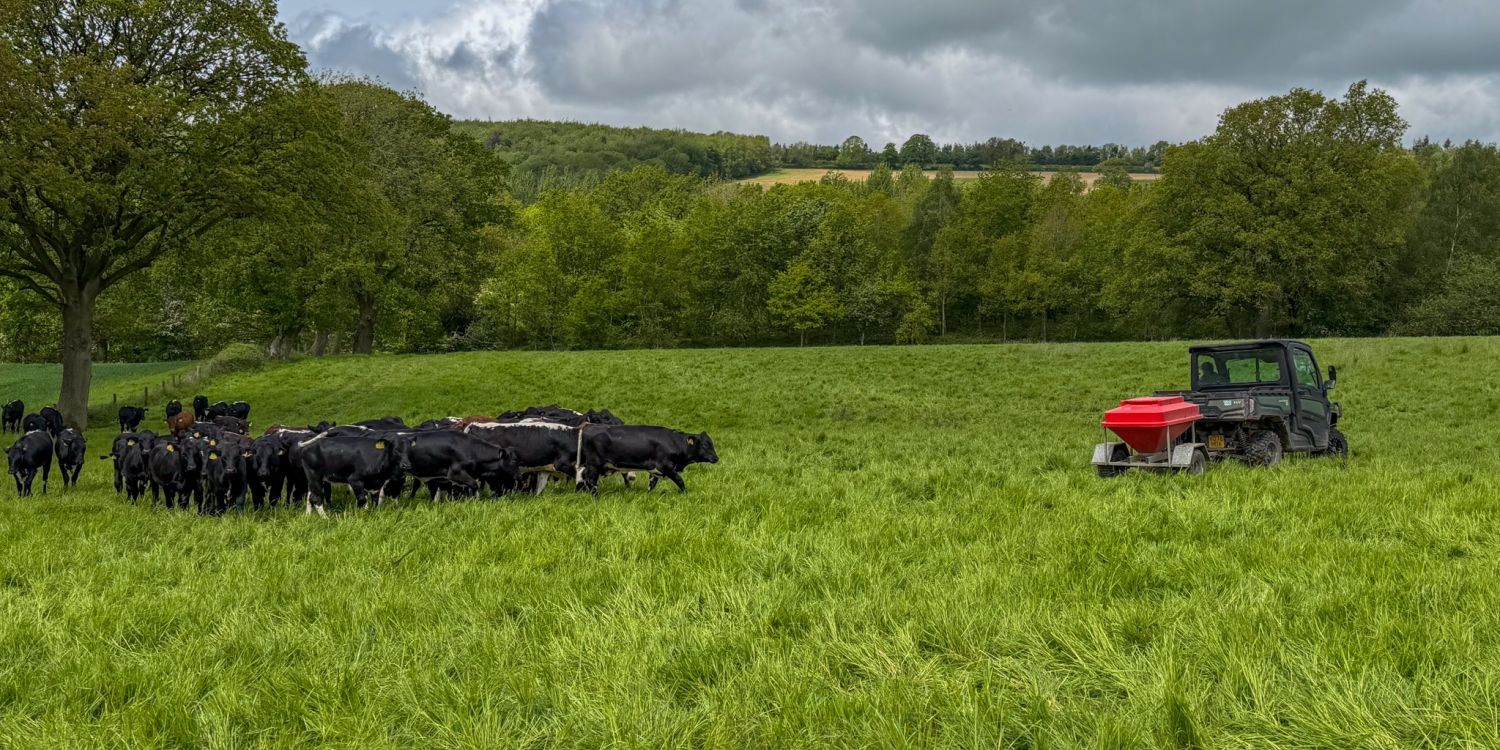
Livestock grazing systems, particularly adaptive multi-paddock grazing, can support healthier soils, improved biodiversity and stronger nutrient cycling.
“Grazing animals can stimulate plant growth, build soil organic matter, cycle nutrients naturally and support biodiversity. The key is grazing intensity, recovery periods and stocking rates.
Over time, well-managed grazing systems can improve water infiltration, reduce runoff and encourage deeper root systems, helping farms become more resilient to weather extremes while improving environmental performance.
“It’s a system where animal performance and environmental performance improve and grow together.”
Turning Principles Into Practice
Across the business, Buitelaar Group continues to invest in practical initiatives that support more regenerative farming systems.
Current priorities include:
- Advancing regenerative agriculture through Project Regen
- Improving carbon measurement and transparency
- Supporting farmer resilience
- Enhancing animal welfare
- Applying circular economy principles across the supply chain
Examples already in place include removing soy from all Buitelaar rearing units, reduction of antibiotics in rear, implementing an accredited carbon footprint tool and supporting grazing and feed strategies that reduce reliance on imported inputs.
But perhaps most importantly, Buitelaar’s approach is built around partnership.
“We take a collaborative approach with farmers,” he explains. “That includes technical support, carbon and performance reporting, peer-to-peer learning and long-term supply arrangements that help reduce risk during transition periods.”
Because while regenerative agriculture offers opportunity, transition can also bring uncertainty.
“One of the biggest challenges is ensuring regenerative practices remain commercially viable, especially during periods of change.”
That’s why measurable progress matters.
Buitelaar is already seeing strong farmer engagement, improvements in animal health and measurable emissions reductions per kilo of weight gain compared to industry averages, early signs that regenerative systems can deliver both environmental and economic value together.
Looking Ahead
The future of sustainable beef production in the UK will likely be shaped by practical, data-driven systems that work within real commercial supply chains.
“I think we’ll see more hybrid systems,” he says. “Pragmatic regenerative models that combine environmental progress with enterprise resilience (Enterprise Resilience instead).”
And that is exactly why events like Groundswell matter.
“They bring together people who care deeply about farming and the environment, and they create space for honest discussion without judgement. That’s where real progress starts.”
For Buitelaar Group, the focus remains clear: continue learning, continue improving, and continue building stronger links between farmers, food production and the future of sustainable agriculture.
